Twenty-seven years on: a conversation with Priti Shah
Kravvia's founder on the 1999 Jain wedding that started it, why 2012 was the hard year, and the case for the retort line.
It started in a home kitchen, 1999
The first order was fifty plates. A Jain wedding, a Juhu hall, and Priti Shah's home kitchen, supplemented by a second oven borrowed from a neighbour. No staff, no branding, no commercial equipment. The entire spread was cooked through the night before and loaded into containers at 6am. It went out on time. The family called back within a week with another booking.
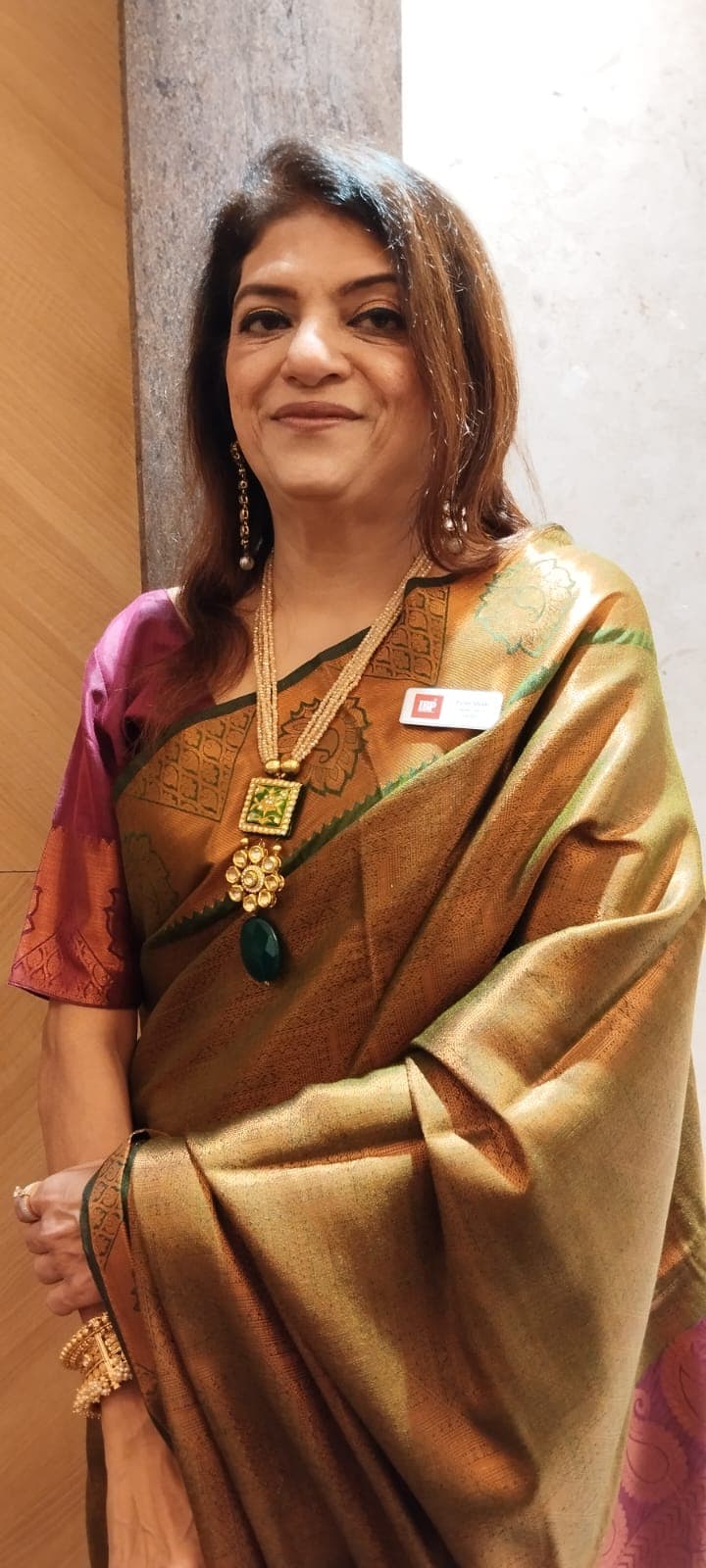
That was 1999. Priti was thirty-two, had two children at home, and had been cooking professionally (in the informal sense that every talented home cook in Mumbai eventually does) for parties, family functions, and friends' events since her mid-twenties. The Jain wedding was the first time money formally changed hands. "I didn't think of it as starting a business," she says now, sitting in her Hubtown Solaris office in Andheri East. "I thought of it as taking a booking seriously."
The first decade: word of mouth and Jain weddings
Between 1999 and 2010, Kravvia (operating under Priti's name before it had a formal brand) grew entirely through referral. The Jain community in Mumbai's western suburbs is tightly networked. A well-executed Jain wedding spreads through that network faster than any advertisement could.
The Jain wedding remained the anchor. "Every caterer says they do Jain. Very few actually do. I understood early on that a Jain family doesn't want a reassurance; they want to see it done properly. So we showed them, every time." A fully isolated Jain kitchen (separate prep, separate utensils) has been a non-negotiable feature of Kravvia's catering since 2012.
"Cooking is the easy part. The hard part is consistency: two hundred plates, identical, on time, hot. That's the discipline that most caterers never quite master."
2012: The scale-up decision
By 2012, demand had outgrown what the original small team could handle. Priti faced the decision that ends many successful small catering businesses: stay small and excellent, or invest in capacity and risk the consistency that had built the reputation. She chose to invest, moving production to FSSAI-licensed partner kitchens working to her specification, and Jain food to a fully isolated Jain kitchen (separate prep, separate utensils).
"2012 was the hard year," she says. "Not because of the money. That was manageable. Because I couldn't be everywhere at once. I had to trust the partner kitchens and my written recipes to make decisions I would have made myself. Some of those decisions were wrong. We learned from them." The quality controls that Kravvia now runs (tasting protocols, temperature checks, portion audits) emerged directly from the mistakes of 2012 and 2013, when the systems had to be formalised because intuition could no longer cover the scale.
2018: The cuisine expansion
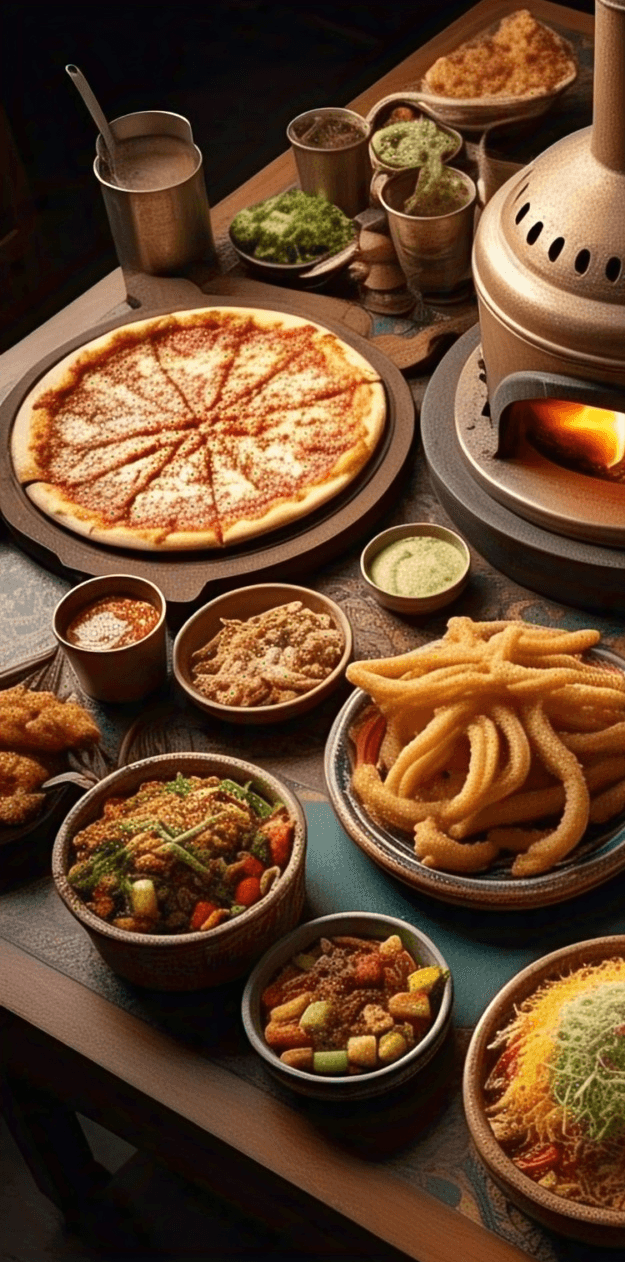
For the first decade and a half, Kravvia's menu was north Indian and Jain, with some regional thali work for specific communities. In 2018, Priti made the decision to expand into international cuisines: Italian, Thai and Mexican. The decision was driven by a shift she had observed in Mumbai's event culture. "The crowd was changing. Corporate clients in BKC wanted Thai alongside the dal makhani. Bandra weddings wanted a Mexican counter. The audience had become more adventurous, and I didn't want to be the caterer who couldn't accommodate that."
The expansion required cuisine-trained cooks, new sourcing relationships, and a rewrite of Kravvia's specifications. Each new cuisine got its own written specification, set with cooks trained in that cuisine: Thai for the Thai menu, Italian for the pizza and pasta programme. "I didn't try to make one cook do every cuisine. You learn respect for a cuisine by spending years in it. We looked for that respect."
2022: The retort line
The retort production line (Kravvia's ready-to-eat range) launched in 2022 after two years of development. The concept came from an observation that had been building for years: Kravvia's regular clients wanted the food between events. Not at weddings and corporate dinners, but on a Tuesday at 9pm when no one felt like cooking and delivery meant a 45-minute wait and variable quality.
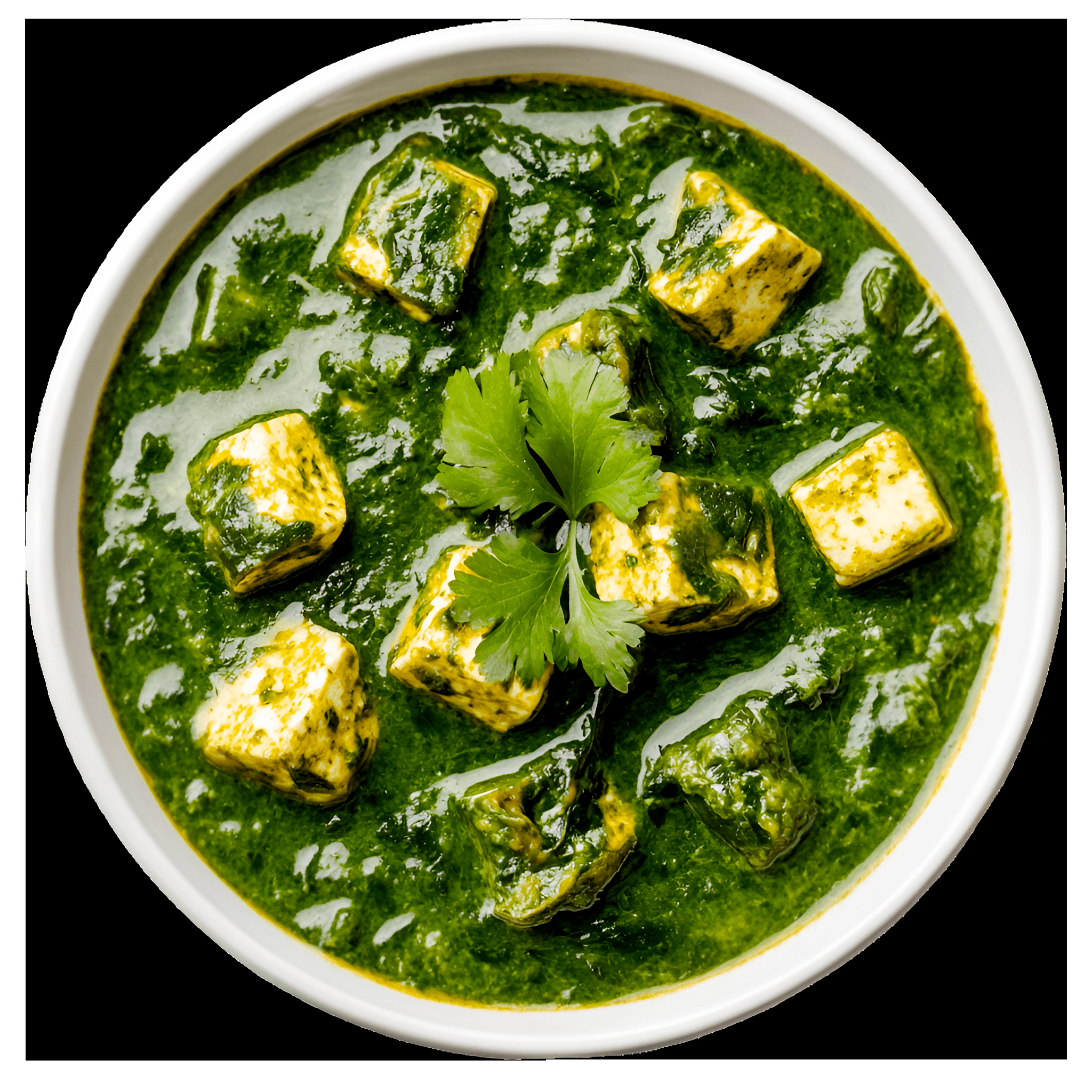
Retort technology (the food is sealed and sterilised in the pouch) allows cooked food to be shelf-stable for up to twelve months with no added preservatives. The quality retention is significantly higher than conventional canning. "I spent six months eating retort dal makhani before I was satisfied. The texture on reheating, the way the tomato holds, the consistency across batches: it took a long time to get right." The thirteen SKUs (dal makhani, paneer makhani, paneer darbari, Amritsari chana, rajma masala, pav bhaji, veg pulao, jeera rice, moong dal halwa and four Jain variants) went live in 2022. The response validated the product: Kravvia's ready-to-eat range now ships across India.
"Catering is event-based," she explains. "The retort line lets us be in your kitchen without being in your kitchen. It's not the same as a catered meal (nothing is) but it's the same food, made with the same ingredients, to the same standard. That's the proposition."
Women-led, on purpose
Kravvia's mission statement includes a commitment to women-led enterprise that is not decorative. The administrative and operations team is entirely women. Priti has been explicit about this since the beginning: not as a marketing position but as a structural choice. "Catering in India is a women's industry, run by women's knowledge, hidden behind men's faces. The front-of-house is almost always men. The kitchen is almost always women. I wanted to change what the front-of-house looked like."
What's next
Priti is reluctant to project timelines: twenty-seven years of catering has cured her of false certainty about the future. But the direction is clear: more SKUs in the retort range, a bigger gifting desk (corporate Diwali mithai boxes and curated hampers are already on it). "We've always covered Mumbai city, and that's not changing. What's changing is how we define the event we're serving. A wedding is one kind of event. A Tuesday night at home is another. I want Kravvia in both."
The fifty plates from 1999 have become a Mumbai catering house. The second oven borrowed from the neighbour has given way to partner-kitchen production at scale and a retort line shipping pan-India. The Jain wedding that started it is still the anchor (the Jain kitchen isolated since 2012, the openness with Jain families, the three-question protocol for first-time Jain bookings).
Priti Shah, in conversation, March 2026
She replies herself, often within the hour.
Peace · Purpose · Progress