Eight Cuisines, One Spec: How Kravvia Holds Standard Across the Canon
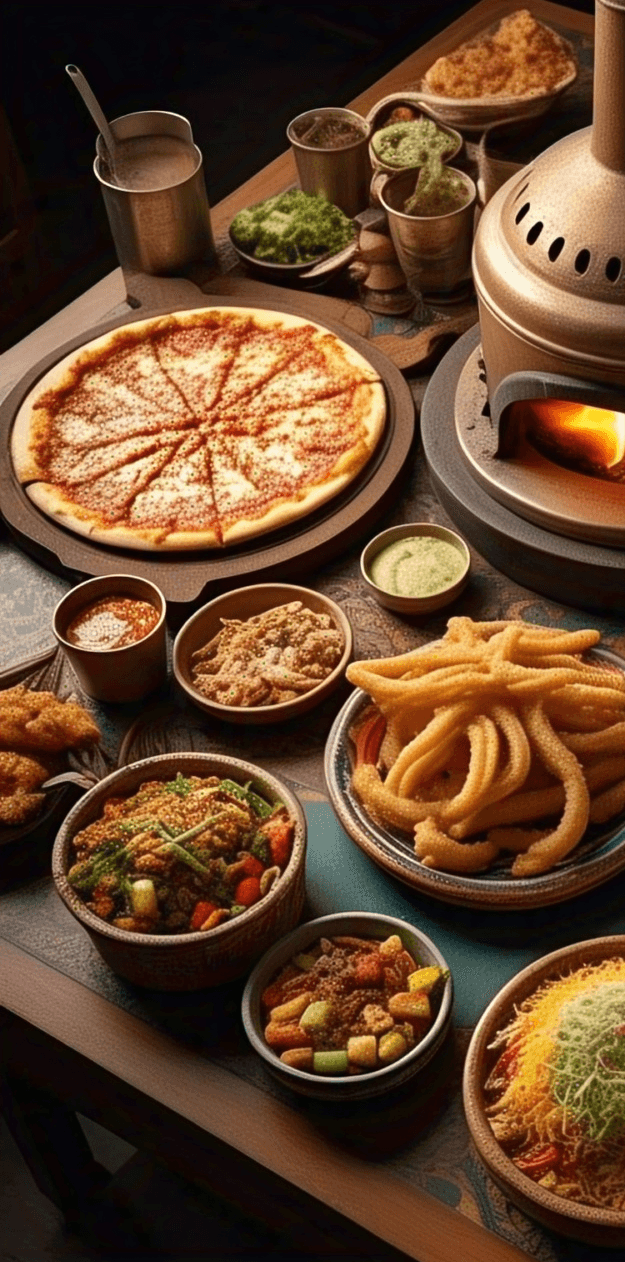
Punjabi, Jain, Gujarati, Maharashtrian, Thai, Italian, Chinese, Mexican: eight cuisines, produced to one Kravvia specification. Depth at this breadth is a structural achievement, not a marketing claim.
Eight cuisines is a number that hides a logistics problem
Most Mumbai caterers handle two to three cuisines well and badge the rest. Kravvia runs eight at standard: Punjabi, Jain, Gujarati, Maharashtrian, Thai, Italian, Chinese, Mexican. Every dish is produced to Kravvia's specification in FSSAI-licensed partner kitchens, and each cuisine runs to its own Kravvia specification: its own sourcing cycle, its own technique discipline, its own anchor chef.
This piece is about what "depth at breadth" actually requires.
Punjabi · Jain · Gujarati · Maharashtrian: the regional core
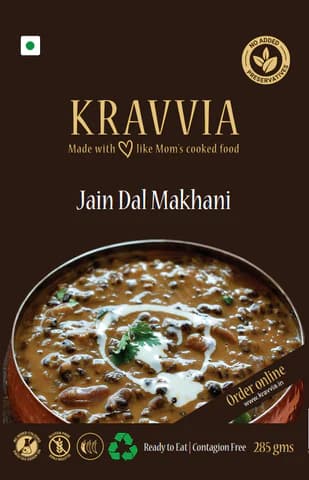
The four Indian cuisines anchor Kravvia's catering volume. Punjabi covers the wedding canon: dal makhani simmered overnight, dum aloo Punjabi, paneer makhani with kasuri methi finish, tandoori roti off the live tandoor counter. Jain runs from a fully isolated Jain kitchen, in place since 2012 (separate prep, separate utensils): no onion, no garlic, no root vegetables. Gujarati and Maharashtrian thalis sit alongside as the regional anchor: undhiyu, dal-dhokli, puran poli and batata vada. Each of the four runs to its own Kravvia specification, with cuisine-specific masala blends rather than one house blend.
Thai · Italian · Chinese · Mexican: the international canon
Thai, Italian and Mexican were absorbed formally between 2015 and 2018. The decision wasn't to add menu items; it was to write the right aromatics and preparation protocols into each cuisine's specification, to match the rigour of the Indian work.
Thai
The specification calls for lemongrass, galangal, kaffir lime and Thai basil, sourced fresh, with the paste pounded by hand and never bought pre-made. Green, red and yellow curries, lettuce wraps, paneer satay with peanut sauce, and the khow suey counter. Pastes are made fresh for service, not held overnight, because the volatile oils degrade quickly.
Italian
Pizza dough runs on a 48-hour cold ferment. Hand-stretched, never machine-pressed. The three pasta sauces (red, white, pesto) are made from scratch: the red is tomato reduced down with garlic, basil and oregano. Pasta runs as penne, spaghetti or macaroni, alongside baked lasagna and risotto held al dente.
Chinese
Chinese at Kravvia is Indo-Chinese by design, run from a single wok at high flame. The wok station runs live at events: high-heat, fast-toss preparation that gives the smoke-and-char note that's impossible to fake. Sichuan-spiced paneer chilly, Shanghai fried rice, three noodle formats: twenty-one dishes, vegetarian throughout.
Mexican
Corn-tortilla nachos, fresh-rolled burritos, baked enchiladas, quesadillas off the griddle. Salsa roja is built on dried chillies, not a bottled base, and the cheese sauce for nachos is made from scratch. The burrito and quesadilla counters run live at events.
What "depth at breadth" actually means
For a host or corporate buyer, the practical implication of eight cuisines is this: Kravvia can deliver a wedding reception with a Punjabi main spread, an Italian pasta live counter, and a Thai khow suey station, all hitting the same execution standard because each cuisine runs to its own Kravvia specification.
The thali tradition matters here. A Marwadi family booking a Bandra reception expects a different Rajasthani spread than a Maharashtrian family in Vile Parle. A south Indian wedding in Powai expects a separate dosa and uttapam station. Kravvia runs all of this to the same standard: each cuisine to its own specification, supervised by cuisine-specific anchor chefs, never blended.
What each specification fixes
- Indian: cuisine-specific masala blends, fresh paneer, seasonal vegetables
- Thai: fresh lemongrass, galangal and kaffir lime; paste pounded by hand for service, never pre-made
- Italian: 48-hour cold-ferment dough, three pasta sauces from scratch
- Chinese: wok mise-en-place set before each service
- Mexican: dried-chilli salsa base, cheese sauce from scratch
None of these steps can be shortcut. The eight cuisines work because each specification fits its ingredients.
Pricing across the canon
Kravvia prices every cuisine from the same published rate card: drop-off from ₹650 per guest from 20 guests, a buffet with service staff from ₹850 from 50 guests, and live counters from ₹1,200 per guest from 100 guests. The final quote moves with headcount, cuisine count, counter mix and date.
The pricing reflects the underlying logistics. Eight cuisines means eight sourcing chains, eight technique disciplines, eight anchor chefs and their teams. The per-guest band reflects what it actually costs to deliver Punjabi, Thai and Italian to the same standard at the same event.
For a host: what to ask before booking
- Confirm the cuisine count expected at the event
- Specify the Jain count on the guest list
- Confirm allergens and dietary specs (gluten-free, nut-free, sugar-free)
- Lock the live counter mix at least 10 days before the event
- For a wedding or large corporate order, book a tasting from the shortlisted menu
WhatsApp Priti at +91 98207 11758 to plan a multi-cuisine menu for your event.
She replies herself, often within the hour.
Peace · Purpose · Progress