1999, Santacruz: The Kitchen of Two · A Founder's Note from Priti S Shah
Twenty-five years before the eight-cuisine catering, before the 13-SKU retort line, Kravvia was a kitchen of two in a 1999 Santacruz flat. This is what scaled.
Santacruz, 1999
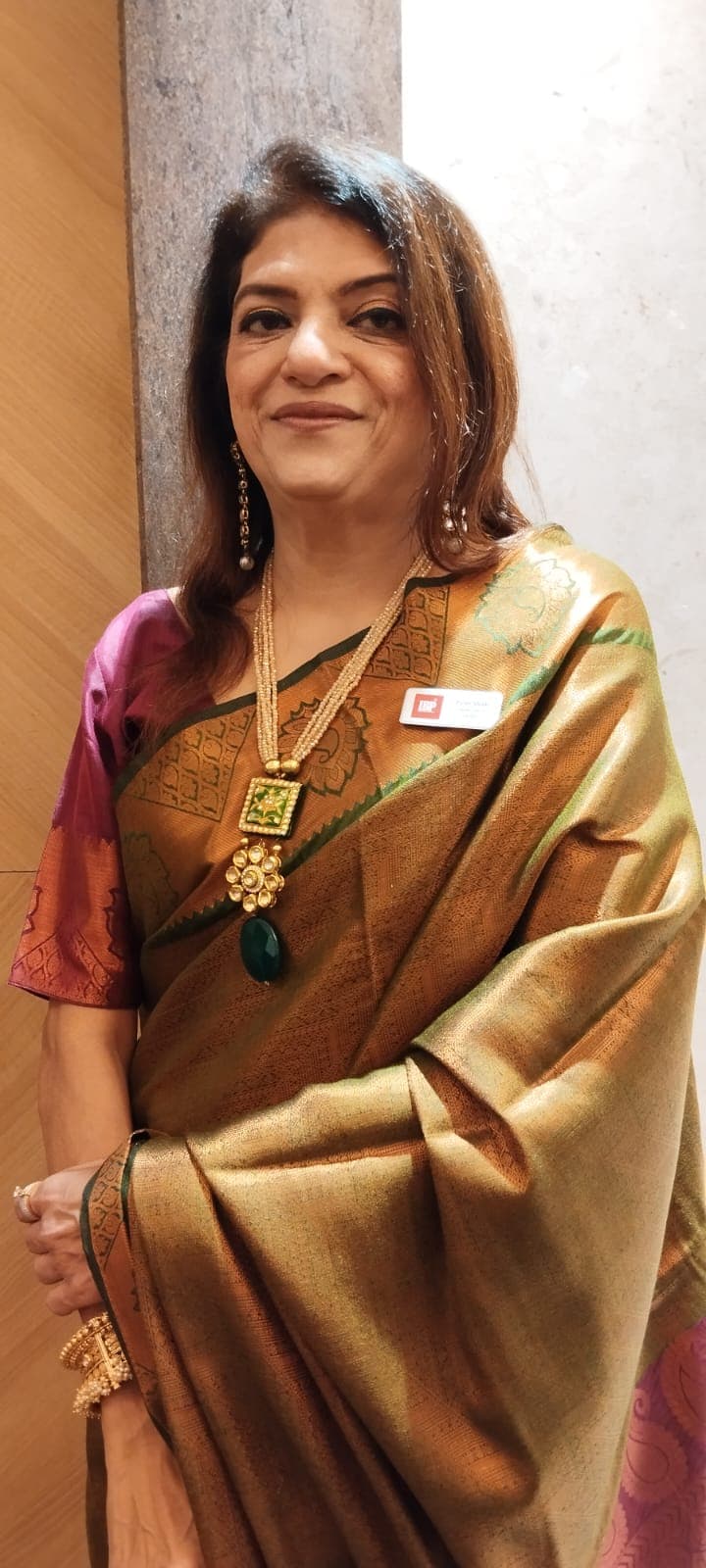
In 1999, Priti S Shah started cooking for weddings out of a flat in Santacruz. There was no commercial kitchen, no team of thirty, no eight-cuisine menu. There were two people, a home stove, and a working understanding that the food being sent out of that kitchen had to be right. Not close to right. Right.
That is where Kravvia begins. Not with a strategy document or a market gap, but with the specific, daily problem of feeding a wedding hall full of guests and making every plate consistent from the first service to the last. The operational logic that runs Kravvia today (the Jain isolation, the cuisine depth, the retort line) traces directly back to decisions made in that Santacruz kitchen in the first years of this work.
What the kitchen of two actually did
Wedding catering in Mumbai at the turn of the century was a local, referral-driven trade. A family would book a caterer they had eaten at a relative's wedding, and the caterer would arrive with their own equipment, their own mise en place, and their own judgment about quantities. The margin for error was narrow: a 200-guest reception cannot send back a second batch of dal makhani if the first one is under-seasoned.
Priti's approach from the beginning was to treat each event as a production problem, not a hospitality performance. The food had to be identical at table twenty as it was at table two. The dal makhani had to be slow-cooked the night before to get the depth a same-day prep cannot produce. The dum aloo Punjabi had to hold temperature through service without breaking down. These are not glamorous decisions, but they are the decisions that separate a reliable caterer from one that gets lucky sometimes.
The kitchen of two was also a kitchen of zero shortcuts. Farm-fresh vegetables, no preservatives, no readymade bases. That was not a marketing position in 1999. It was simply how Priti understood good cooking. It became a structural commitment that has shaped every subsequent decision the brand has made, including the retort line launched in 2022, which carries a 12-month shelf life without a single preservative by design.
2006: The first corporate brief
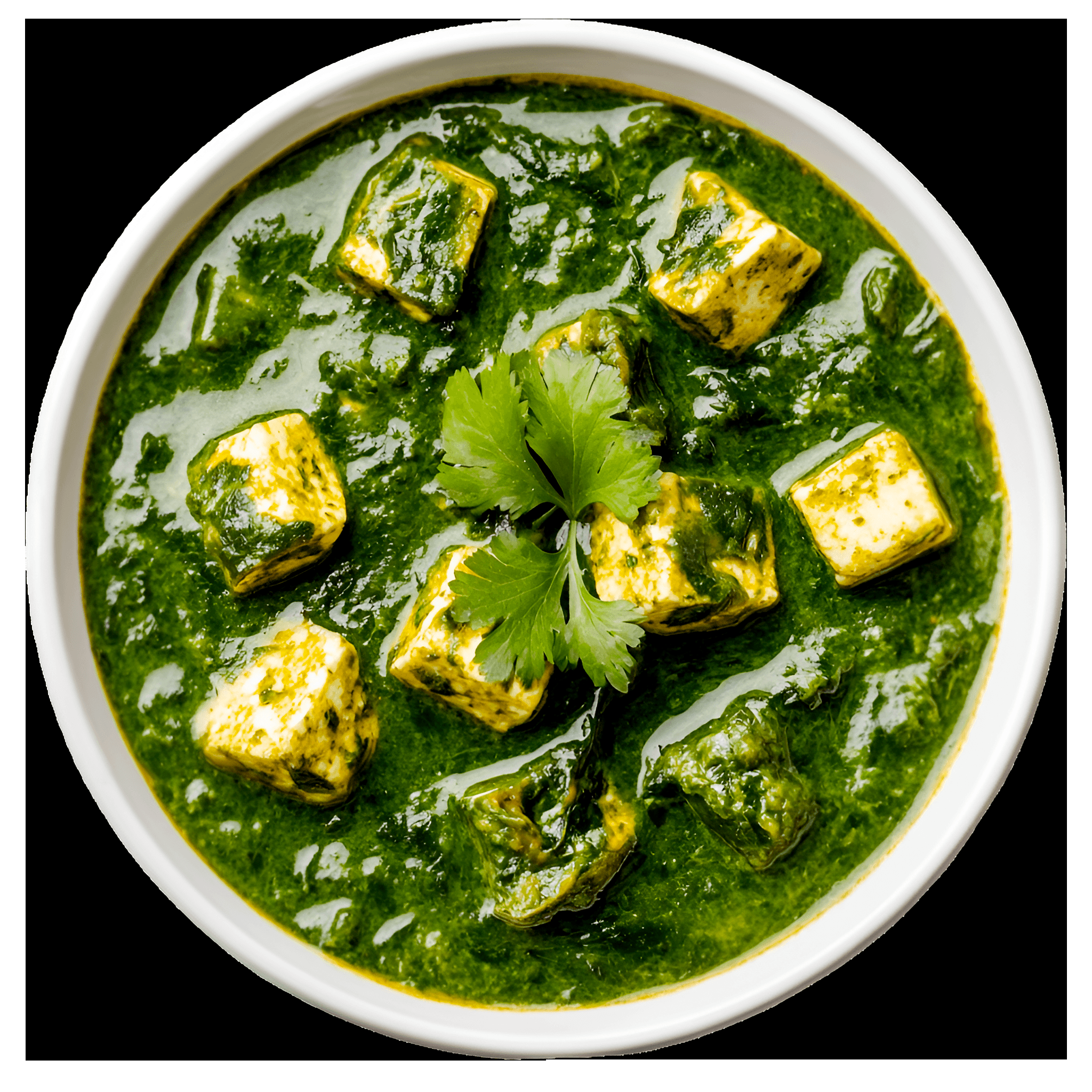
Seven years after the first wedding, Kravvia received its first corporate order: daily lunches for a 200-seat office in BKC. The operational requirements were different from weddings in a way that exposed exactly where Kravvia needed to scale. A wedding is a single event with a known guest count, a fixed menu, and a defined service window. A corporate account is five days a week, fifty weeks a year, with a fluctuating headcount and a guest base that notices immediately when the palak paneer on Tuesday is not the same as the palak paneer it was on Thursday.
Consistency at that frequency is a systems problem, not a cooking problem. It requires standardised recipes, disciplined sourcing, and a kitchen hierarchy that can execute the same preparation without Priti physically present at every service. Building that infrastructure in the years around 2006 is what allowed Kravvia to grow beyond a two-person operation without losing the precision that had made it reputable in the first place.
2012: The Jain promise · why a second kitchen
In 2012, Kravvia added a fully isolated Jain kitchen. This is worth explaining precisely, because "Jain available" and "dedicated Jain kitchen" are not the same thing.
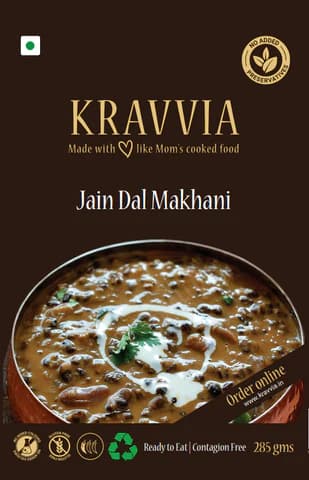
A genuine Jain brief excludes all root vegetables: no onion, no garlic, no potato, no carrot, no beetroot. It also excludes fermented ingredients and requires utensils that have never touched non-Jain preparation. The flavour implications are significant: a Jain dal makhani without an onion-garlic base requires a completely different fat-and-spice architecture to achieve comparable depth. The dish is not a subtraction. It is a re-engineered build.
Priti's view, developed across years of Jain wedding and corporate briefs, was that a caterer who handles Jain on a shared prep line is not really offering Jain coverage. They are offering a plausible approximation of it. Guests who keep strict Jain notice. They notice cross-contamination, they notice the flavour shortcuts, and they notice when the Jain navratan korma has been thickened with a base that contains onion powder. The 2012 decision to build a fully separated prep environment was not an upsell. It was a structural answer to a quality gap that Priti had identified in how the market was handling these briefs.
Today, the Jain kitchen runs Jain paneer makhani, Jain navratan korma, Jain dal, Jain live chaat counters, all from utensils and a prep space that have never seen a root vegetable. It is one of the most operationally significant things Kravvia built in its first fifteen years.
2018: Eight cuisines enter the canon
By 2018, the catering landscape had changed. Mumbai's corporate and wedding market was increasingly expecting multi-cuisine menus at a single event: not a north Indian spread with a Chinese side station bolted on, but genuinely competent execution across formats. A reception at a hotel in Lower Parel or Worli might require a Thai green curry that tastes like Thai green curry, an Italian pasta station with hand-stretched dough on a 48-hour cold ferment, and a Mexican burrito wrap counter built around corn tortillas, all running simultaneously, all to the same standard.
Between 2015 and 2018, Kravvia formally absorbed Italian, Thai, and Mexican into its canon. This was not a decision to offer more items on a PDF menu. It was a decision to source the right aromatics (lemongrass, galangal, kaffir lime for Thai; from-scratch sauce bases for Italian; dried chillies and cumin for Mexican) and to build preparation protocols for each cuisine that matched the rigour applied to the Indian work. The Thai pastes are pounded in-house. The pizza dough cold-ferments for 48 hours. The moong dal halwa still cooks for the same duration it did in 1999.
The eight-cuisine footprint today covers Punjabi, Jain, Gujarati, Maharashtrian, Thai, Italian, Chinese, and Mexican. Each has a dedicated section within Kravvia's partner kitchens and its own sourcing cycle. A Khow Suey counter at a Powai wedding and a pasta station at a Bandra corporate reception draw on preparation frameworks built in 2018, and on a discipline established in a Santacruz flat in 1999.
2022: The retort line
The 2022 retort line was a pivot in format, not in philosophy. Kravvia had spent twenty-three years refusing preservatives across its catering. The question the retort line posed was whether that refusal could survive the technical requirements of a shelf-stable pouch product.
A retort pouch achieves its shelf life through high-temperature sterilisation: the food is cooked inside the sealed pouch at temperatures that eliminate microbial activity without requiring chemical preservatives. The engineering challenge is flavour: the same heat that sterilises the product also degrades aromatics, breaks down emulsions, and muddies the colour of vegetables. Most commercial retort products solve this by starting with flavour-forward bases, accepting the degradation, and correcting with additives. Kravvia's approach was to reformulate each of the 13 SKUs specifically for the retort process: adjusting spice ratios, cooking times, and ingredient sequencing so the finished product held flavour integrity after sterilisation without any added preservatives.
The result is a 13-SKU range with a 12-month shelf life that ships pan-India. Priced between ₹160 and ₹200 per pouch, it extends Kravvia's reach to homes in cities that have no Kravvia catering presence, without changing the underlying premise that food produced to Kravvia's specification contains no shortcuts.
What 25 years compounds
There is a category of operational knowledge that cannot be acquired quickly. It accumulates in the gap between knowing a recipe and knowing why a specific recipe behaves differently at 400 covers than at 40: why the dum aloo Punjabi needs a longer holding time in the vessel at scale, why the dal makhani consistency changes if the lentil is sourced from a different Nasik batch, why the Jain chaat counter needs a different mise en place sequence than the standard chaat counter even though they are running simultaneously.
Priti S Shah has been making those observations and corrections since 1999. The knowledge is now embedded in Kravvia's standard operating procedures, its sourcing relationships, its preparation protocols, and its team's muscle memory. A host booking Kravvia in 2026 is not purchasing a menu. They are purchasing access to that accumulated infrastructure.
Booking in 2026: what this means for a host
For a host planning an event in 2026 (a wedding reception in Juhu, a corporate annual day in BKC, a festive family occasion in Vile Parle), the practical implication is this: the production behind the food has been stress-tested at every scale, in every cuisine, under every dietary specification the Mumbai market has generated over 25 years.
The Jain brief is handled from a kitchen that has been fully isolated since 2012. The Thai green curry uses fresh-pounded paste, not a commercial concentrate. The pizza dough has had 48 hours to develop. The moong dal halwa was started the previous evening. These are not claims made for a brochure. They are the operational outputs of a discipline that has been building toward them since a flat in Santacruz in 1999.
Catering starts from ₹650 per guest for a full vegetarian spread; Jain specifications and live counters are available at every scale from 30 to 600 guests. WhatsApp Priti at +91 98207 11758 to book a tasting.
She replies herself, often within the hour.
Peace · Purpose · Progress