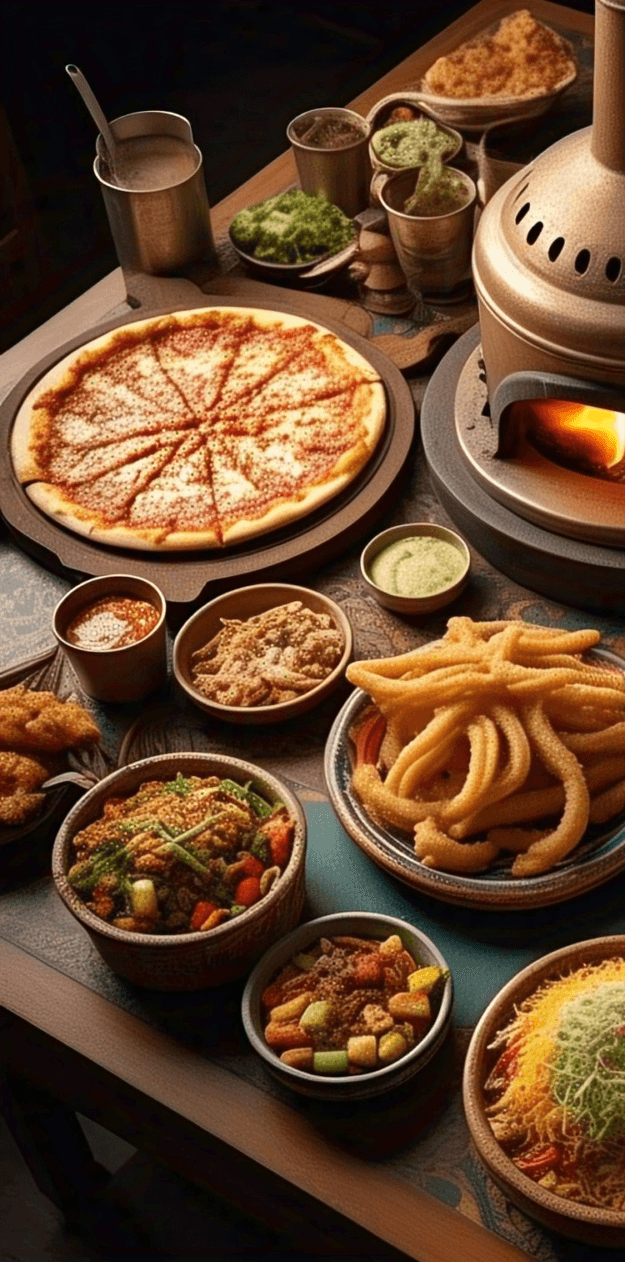
Nasik Fields to Mumbai Plate: Kravvia's Sourcing Discipline
The vegetables on a Kravvia wedding plate started in a Nasik field 36 hours earlier. Sourcing discipline is what separates a reliable catering kitchen from one that gets lucky on Tuesday.
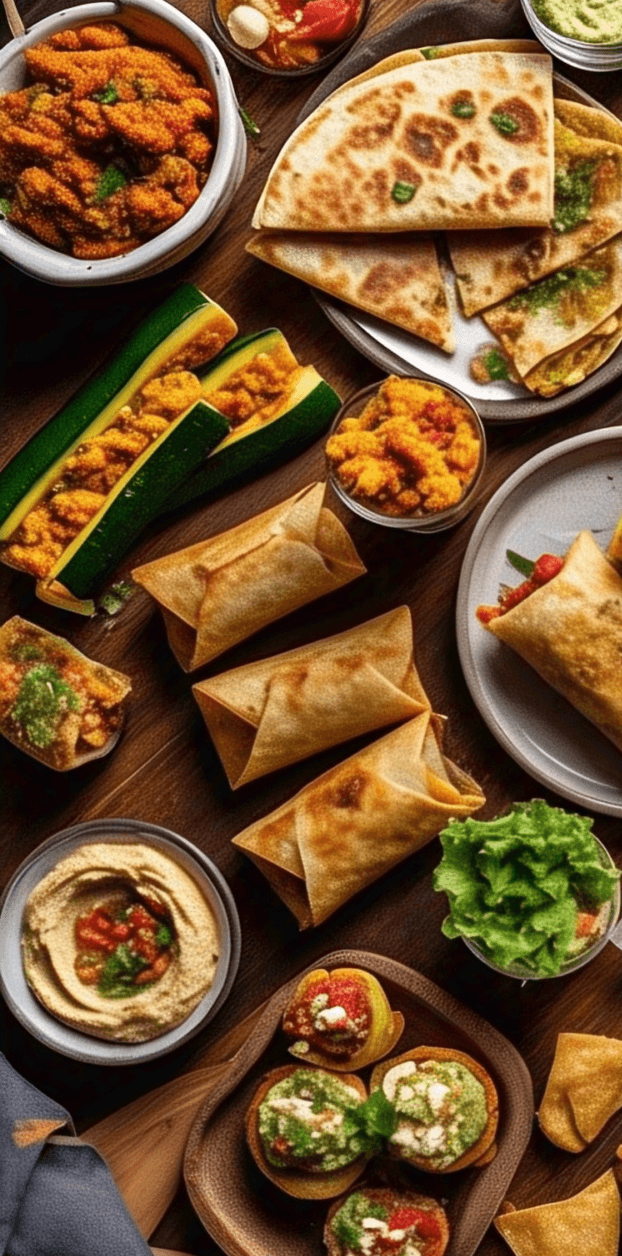
The plate starts 36 hours earlier
The dal makhani served at table 200 of a Bandra wedding reception on Saturday was set on Friday at 02:00. The whole urad dal soaked overnight Thursday came from a Nasik mill that delivers weekly. The tomatoes that built the gravy arrived Friday morning from a Nasik vegetable belt that supplies Kravvia's daily vegetable run. The kasuri methi finishing the dish was dried and ground in Kravvia's spice room the previous Sunday.
Sourcing is the part of catering that customers don't see. It's also the part that determines whether the food shows up.
The Nasik vegetable belt
Nasik district sits 165 km north-east of Mumbai. The volcanic soil and the dam-irrigated landholdings mean the region produces a disproportionate share of Maharashtra's grapes, onions, tomatoes, leafy greens and seasonal vegetables. Mumbai's wholesale markets at Vashi and Crawford run on Nasik supply. Kravvia's daily vegetable run sits inside that flow but is sourced through a network of regional intermediaries who pre-grade.
What "pre-grading" means in practice: the tomatoes for catering have to hold structure for 36 hours from field to plate. Soft tomatoes break down in transit and ruin the gravy. Kravvia's intermediaries hand-select firm-shoulder tomatoes specifically for catering use. The cost is higher than supermarket-grade. The trade-off is that the dal makhani holds at scale.
What gets sourced where
- Vegetables: Nasik belt: daily run, all leafy greens, tomatoes, capsicum, gourds
- Onion (non-Jain): Lasalgaon, Nashik district: Asia's largest onion mandi
- Paneer: Khar dairy suppliers: daily fresh delivery, set the morning of use
- Cream and butter: dedicated dairy partners: every batch arrives within 6 hours of production
- Whole urad dal: graded mills in Vidarbha: weekly delivery, soaked the night before catering events
- Spices: western-Maharashtra spice cycle: whole spices, ground in-house weekly
- Saffron: Kashmiri pampore: sourced through verified suppliers, used sparingly across the sweets and biryani lines
The spice room cycle
Spice grinding at Kravvia happens weekly, in small batches per cuisine. The Punjabi garam masala is different from the Marwadi garam masala. The Jain spice blends are different from both. Pre-ground supermarket-spec masalas would be cheaper and faster. They would also flatten the cuisine-specific notes that make the difference between competent catering and catering that earns repeat business.
The cycle: whole spices arrive Monday from the western-Maharashtra wholesale spice trade. They're sorted, cleaned, and dry-roasted in small batches Tuesday. Ground Wednesday. The week's catering uses the freshly-ground masala from Wednesday onward.
Kasuri methi specifically: the leaves are dried in-house, crumbled by hand, and stored in airtight containers. The aroma half-life of fresh kasuri methi is approximately three days; using it past that point gives a flat result. Kravvia replenishes weekly.
What ingredient quality determines
The dal makhani that's served at a wedding reception is the same recipe at every event. The reason it tastes different at different events, and why Kravvia's tastes consistent, comes down to ingredient quality on the day of cooking.
Tomato batch matters. Two crates from the same Nasik grower, sourced two weeks apart, can give noticeably different gravy depths because the sun exposure, water cycle, and ripening windows changed. Kravvia makes the spice and fat adjustments to compensate. That's not a recipe. It's a cook's judgment, applied at every preparation.
Why the retort line cares about sourcing
The 13-SKU retort line that ships pan-India also draws from the same sourcing chain. Ingredient quality at packing-day determines flavour at month 12. A retort dal makhani made from B-grade urad dal will hold the structure but lose the depth by month 6. Kravvia's retort line uses A-grade urad and the same Nasik tomatoes that go into Kravvia's catering. The shelf-life is achieved through sterilisation engineering. The flavour through 12 months is achieved through what went into the pouch on day one.
For a host or corporate buyer
The practical implication: when Kravvia quotes ₹650+ per guest for a wedding spread or ₹850+ for a Jain corporate lunch, that pricing reflects an A-grade sourcing chain that is non-trivial to maintain. Cheaper catering bids in the Mumbai market typically achieve their lower price point by accepting lower-grade ingredients, which shows up at month nine of an event-photographer's slideshow when guests describe the food.
The 25-year sourcing relationships that Kravvia has built across the Nasik belt, the spice trade, and the Khar dairy suppliers are not visible on a quote sheet. They are visible on the plate.
WhatsApp Priti at +91 98207 11758 to plan your menu, ingredients sourced specifically for your event date.
She replies herself, often within the hour.
Peace · Purpose · Progress